
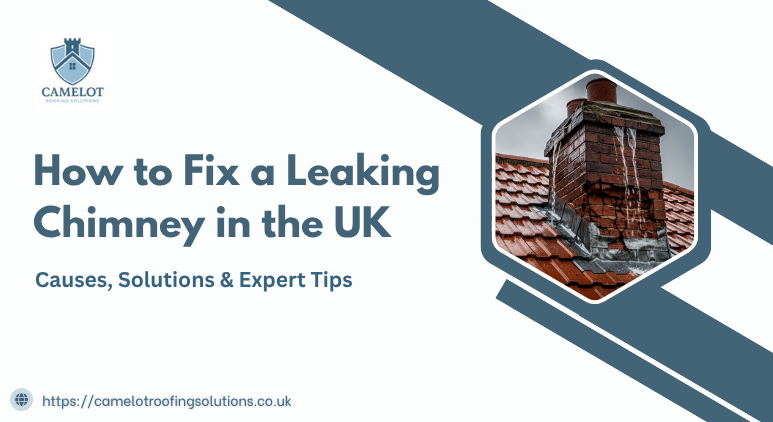
A leaking chimney is a common issue in many UK homes, often caused by heavy rain, ageing materials, and exposure to harsh weather. If left untreated, even minor leaks can lead to damp patches, mould growth, and costly structural damage to your roof and property. Identifying the cause early and performing appropriate chimney leak repairs are essential to protecting your home and preventing further issues.
In this guide, we’ll cover the main causes of chimney leaks, how to fix a leaking chimney in the UK step by step, and key maintenance tips to keep your chimney secure and weatherproof.
Most Common Causes of Chimney Leaks In the UK
Understanding the root cause is the first step in fixing the problem properly.
1. Damaged Lead Flashing Around the Chimney
In many UK homes, lead flashing is installed where the chimney meets the roof to create a watertight seal. Over time, this flashing can deteriorate due to age, poor installation, or harsh weather conditions.
Cracks, lifting, or gaps in the flashing allow rainwater to penetrate beneath the roofline. It is one of the most common causes of chimney leaks in UK properties, especially during heavy rainfall.
2. Worn or Crumbling Mortar
The mortar between chimney bricks plays a vital role in keeping the structure sealed and stable. However, constant exposure to rain, wind, and temperature fluctuations causes mortar to deteriorate over time.
As gaps form between the bricks, water can easily seep into the chimney structure. This issue is particularly common in older UK homes and often requires professional repointing to restore strength and weather resistance.

3. Cracked or Damaged Chimney Crown
The chimney crown sits at the very top of the stack and acts as a protective barrier against rainwater. If the crown becomes cracked or worn, it allows water to enter the chimney directly.
In the UK, freeze–thaw cycles can worsen these cracks, causing further damage over time. Once water enters, it can travel down the chimney stack, leading to internal damp issues.

4. Missing or Damaged Chimney Cap
A chimney cap is designed to prevent rainwater, debris, and animals from entering the flue. Without a properly fitted cap, your chimney is left exposed to the elements.
This can result in water ingress, blockages caused by birds or debris, and increased moisture inside the chimney. It is a simple yet highly effective solution commonly recommended for UK homes.
5. Weather-Damaged or Porous Brickwork
The UK’s wet and often unpredictable climate can take a toll on external brickwork. Over time, bricks may become porous and begin to absorb moisture.
When this happens, water penetrates the structure, leading to damp patches inside the home. Treating or sealing the brickwork can help reduce water absorption and protect the chimney from further damage.
6. Internal Condensation Within the Chimney
Not all chimney leaks are caused by external water ingress; in some cases, the issue is internal condensation. This occurs when warm air from inside the home meets the cold surfaces of the chimney.
The temperature difference causes moisture to form inside the flue, leading to musty odours, staining, and potential long-term damage if not properly addressed. Proper ventilation or a chimney liner can help reduce this issue.

Signs Your Chimney is Leaking
Look out for these warning signs:
- Damp patches on walls or ceilings near the chimney
- Peeling paint or wallpaper
- Musty or mouldy smell
- Water dripping into the fireplace
- White staining (efflorescence) on brickwork
- Visible cracks or gaps in the chimney structure
These signs show that chimney leak repairs are required without delay. In some cases, water from a leaking chimney can also affect the underlying roofing layers, where temporary repairs to the roof felt from inside the property can help minimise internal damage until a permanent fix is carried out. In some cases, chimney leaks can be mistaken for general roof leaks, as water often travels before becoming visible inside the property.
How to Fix a Leaking Chimney in the UK: Step-by-Step
Step 1: Perform a Thorough Chimney Inspection (Inside & Outside)
Before starting any chimney leak repair, it’s important to identify the exact source of the issue. A leaking chimney can be deceptive, as water may travel before showing visible signs inside the property.
Start by inspecting the chimney externally from ground level or using safe access methods such as scaffolding. Look closely at the chimney stack, brickwork, flashing, and chimney crown. Check for visible cracks, loose mortar, or any signs of water staining. Inside the property, examine ceilings, walls, and the fireplace area for damp patches, peeling paint, mould growth, or water stains.
A careful inspection can save you from repeated repairs. Roof-level checks should be done safely by professionals, especially if your roof is steep or high. Problems like leaking gutter joints can direct water toward the chimney, making leaking gutter joint repairs an important part of the inspection process.
Step 2: Repair or Replace Damaged Lead Flashing
Lead flashing is one of the most important waterproofing elements at the point where the chimney meets the roof. It prevents rainwater from seeping into the joint between the roof tiles and the chimney brickwork.
Over time, flashing can deteriorate due to exposure to harsh UK weather conditions. It may crack, lift, corrode, or become loose due to poor installation or natural wear and tear. When this happens, water can easily penetrate beneath the roof surface. Since flashing connects the chimney to the roof, any failure here can cause the same type of damage seen in leaking roofs.
Lead flashing repairs require precision and experience. Avoid repeat leaks by hiring trusted roofing contractors in Hackney who specialise in long-lasting chimney and roof repairs. The correct repair involves removing the damaged flashing and installing new lead flashing, ensuring it is properly stepped into the brick joints and securely sealed.
Because chimneys sit within pitched roofs, any damage around them can also affect surrounding tiles. Take a closer look at the different types of roof tiles in the UK to see how different materials perform.
Step 3: Repoint the Chimney Brickwork to Restore Strength
Repointing is a key part of repairing chimney structures, helping to seal gaps and restore strength. However, constant exposure to rain, frost, and wind causes mortar to weaken and deteriorate over time.
As the mortar erodes, small gaps begin to form between the bricks, allowing water to penetrate deep into the chimney structure. This is particularly common in older UK properties where the original mortar may have never been replaced.
Repointing involves carefully removing the damaged or crumbling mortar and replacing it with fresh, high-quality mortar. This process not only seals the gaps but also strengthens the chimney structure, improves its weather resistance, and significantly extends its lifespan.
Step 4: Repair or Rebuild the Chimney Crown
The chimney crown is the top protective layer of the chimney and is designed to shed rainwater away from the structure. When the crown becomes cracked or damaged, it allows water to enter the chimney stack directly.
In the UK, this issue is often exacerbated by freeze-thaw cycles, in which water enters small cracks, freezes, expands, and causes further damage. Over time, even minor cracks can become significant structural issues if left unaddressed.
Small cracks can sometimes be repaired using a specialist waterproof sealant or cement-based repair compound. However, if the crown is severely damaged, a full reconstruction may be required. A properly constructed crown should have a slight slope to ensure water runs off efficiently instead of pooling on top.
Step 5: Install or Replace a Chimney Cap (Pot Cap or Cowl)
A chimney cap is a protective cover fitted at the top of the chimney flue. Its main purpose is to prevent rainwater, debris, and animals from entering the chimney.
Without a chimney cap, your chimney is exposed to direct rainfall, which can easily enter and travel down into the flue, leading to damp problems inside the property. Additionally, birds or debris may block the chimney, reducing airflow and causing further issues.
Installing a cap helps prevent water from leaking inside chimney systems and protects against debris and animals. In many cases, it is a low-cost improvement that can significantly reduce the risk of future chimney leaks and improve overall chimney performance.

Step 6: Treat the Brickwork with a Breathable Waterproof Sealant
UK weather conditions can be extremely harsh on external brickwork, especially in exposed areas. Over time, bricks can become porous and absorb moisture, leading to dampness inside the home.
Applying a breathable waterproof treatment creates a protective barrier that repels rainwater while still allowing moisture trapped inside the bricks to escape. This is important because trapping moisture inside the brickwork can cause long-term damage.
This treatment is particularly beneficial for older chimneys and properties located in high-rainfall areas. When applied correctly, it can significantly extend the chimney’s lifespan and reduce future maintenance requirements.
Step 7: Address Internal Condensation and Ventilation Issues
Not all chimney leaks are caused by external water entry; some are due to internal condensation. This occurs when warm, moist air from inside the property meets the cold surfaces of the chimney, causing water droplets to form inside the flue.
This type of moisture can lead to musty odours, staining, and gradual deterioration if not properly addressed. In some cases, installing a chimney liner can help regulate airflow and reduce condensation build-up.
Improving ventilation and ensuring the fireplace or heating system is used correctly can also help minimise this issue. A professional assessment can determine whether condensation is the root cause and recommend the best solution.
Step 8: Conduct Final Checks and Ongoing Maintenance
Once all necessary repairs have been completed, a final inspection should be carried out to ensure that the chimney is fully sealed and functioning correctly. This includes checking the flashing, mortar, crown, and overall structural integrity.
Regular maintenance is essential to prevent future leaks. Homeowners in the UK should aim to inspect their chimneys at least once a year, particularly after severe weather. Keeping gutters clean, periodically checking flashing, and addressing minor issues early can save significant time and money in the long run.
By properly maintaining your chimney, you can ensure it remains weather-resistant, structurally sound, and leak-free for many years to come.
If you’re unsure about the cause, professional chimney repair services can quickly assess the issue and prevent further damage.
Expert Tips to Prevent Chimney Leaks
- Schedule regular chimney inspections
- Keep gutters clean to avoid water overflow
- Apply waterproof treatments every few years
- Install a chimney cap if you don’t already have one
- Address small cracks early before they worsen
- Ensure proper ventilation to reduce condensation
When to Call a Professional Roofer
It’s best to call a qualified roofer if:
- You’re unsure where the leak is coming from
- Flashing or repointing is needed
- Scaffolding is required
- The chimney structure is unstable
If you’re dealing with a leaking chimney or suspect any of the issues mentioned above, don’t take chances with your safety or your property.

Contact trusted local roofers in Hackney today for a professional inspection and reliable chimney repair service. A qualified expert will diagnose the problem accurately and provide a long-lasting solution to protect your home from further damage.
Conclusion
Chimney leaks should never be overlooked, as even minor issues can quickly escalate into serious damp problems and structural damage. Whether it’s damaged flashing, deteriorating mortar, or internal condensation, identifying the root cause early is essential to effectively repair chimney structures.
Regular maintenance and timely repairs not only protect your chimney but also help preserve the overall condition of your roof and property, saving you from costly future damage. For lasting results and complete protection, it’s always best to rely on experienced roofing contractors in London who can handle the repairs correctly the first time.
FAQs
Will a leaking chimney affect an unused or sealed fireplace?
Yes. Even if a fireplace is no longer in use, the chimney stack remains exposed to the elements. Water ingress can still cause damp, mould, and structural damage regardless of whether the fireplace is active.
How long does chimney repointing last?
When done correctly using quality materials, repointing can last anywhere from 20 to 30 years, though this depends on weather exposure and the property’s age.
Does a leaking chimney affect energy efficiency?
It can. Moisture and damp within the chimney structure can reduce insulation effectiveness and allow cold air to enter the property, potentially increasing heating costs over time.
